
Download

—
Mbps
Estimated range
Independent Starlink connection intelligence
One authored forecast combining atmospheric conditions, observed Starlink performance and orbital geometry.
 Connection forecast
 Choose a city above
 Local time · 3-hour forecast grid
 —°C· Weather at selected time
—
Mbps
Estimated range

—
Mbps
Estimated range

—
Evidence confidence
—°C · —°F
Selected forecast

What shapes this result
Measured, modelled and derived parameters for the selected interval.
Evidence confidence
—%
Waiting for location

— mm/h
Atmospheric model field

— dB p50
Radio-propagation scenario

— Mbps p50
Empirical network reference
— above 10°
Candidate orbital geometry
— degrees
Candidate orbital geometry

— kg/m²
Atmospheric model field
From question to clear answer
Choose a location, date and the way you plan to use your connection. TNET reads the wider picture behind that moment and turns it into one practical outlook: expected performance, confidence, the best window and the reasons that matter.
Check your connection outlookSet the place, date and activity you need the connection for.
TNET weighs normal local performance against the conditions shaping that moment.
See what to expect, how certain the outlook is and when conditions look strongest.
A deeper forecast
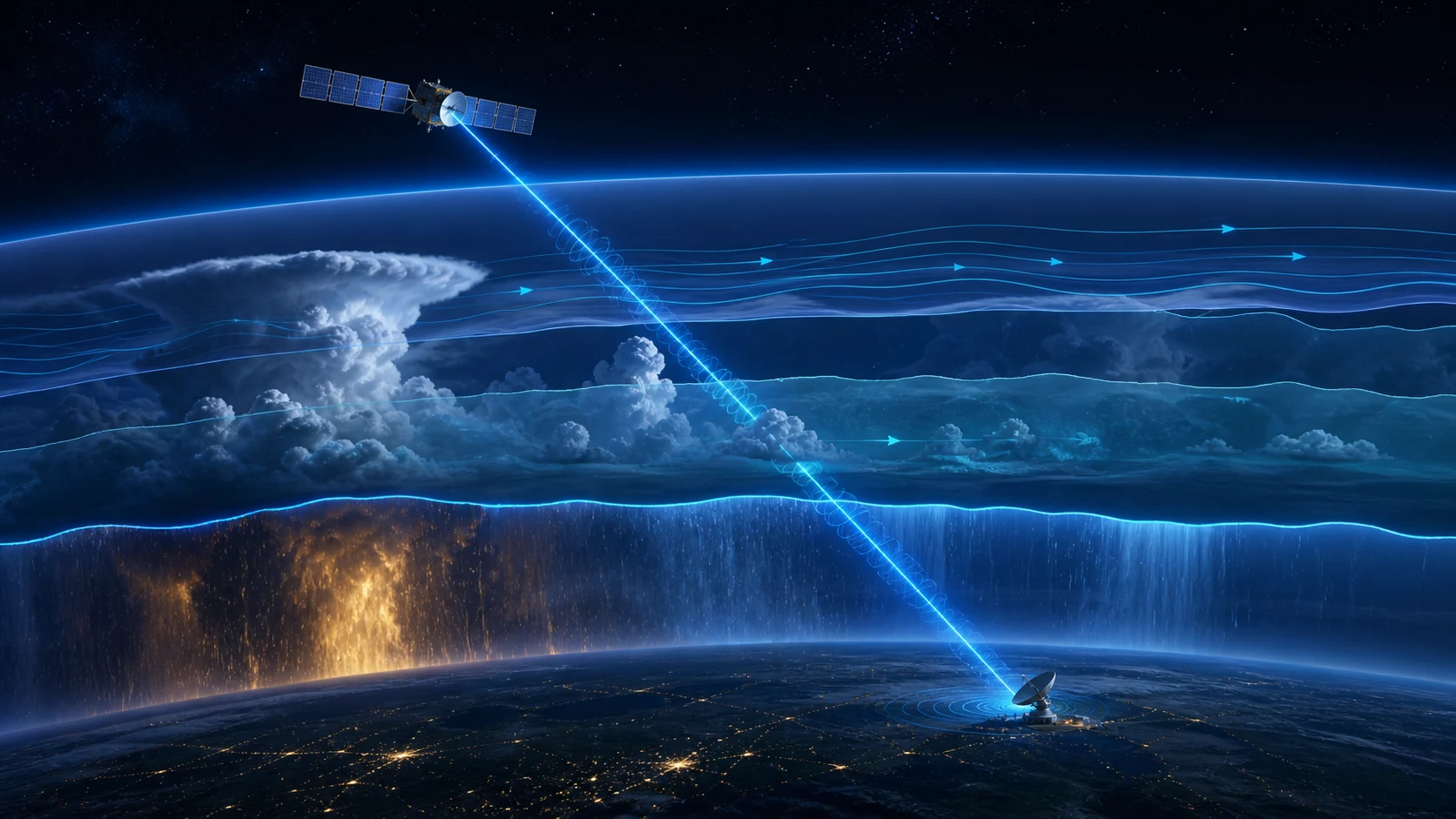
Rain, water, freezing levels, wind and layered conditions—not a single icon.
Explore the evidence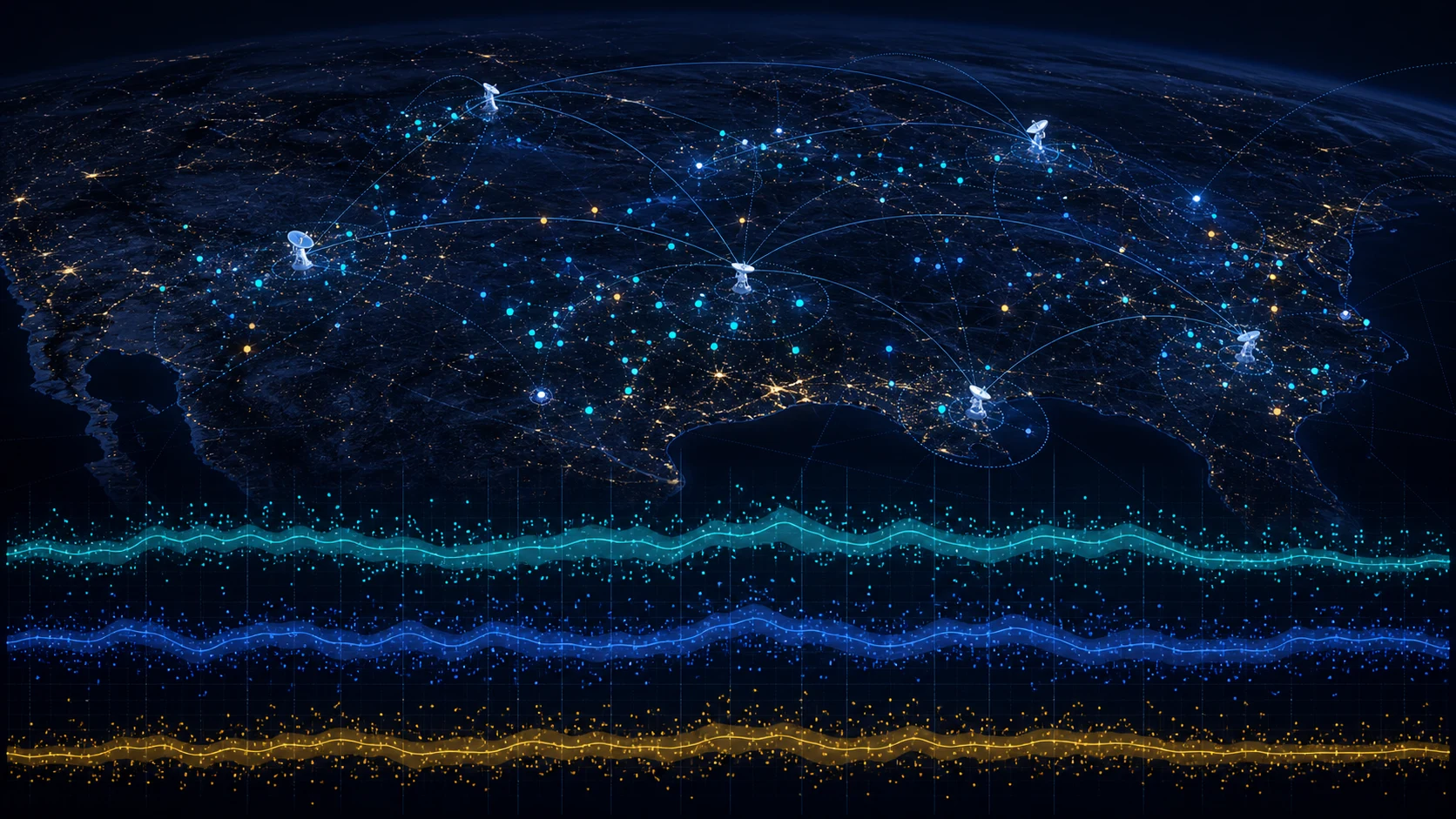
Quality-filtered Starlink measurements form the regional comparison range.
See regional research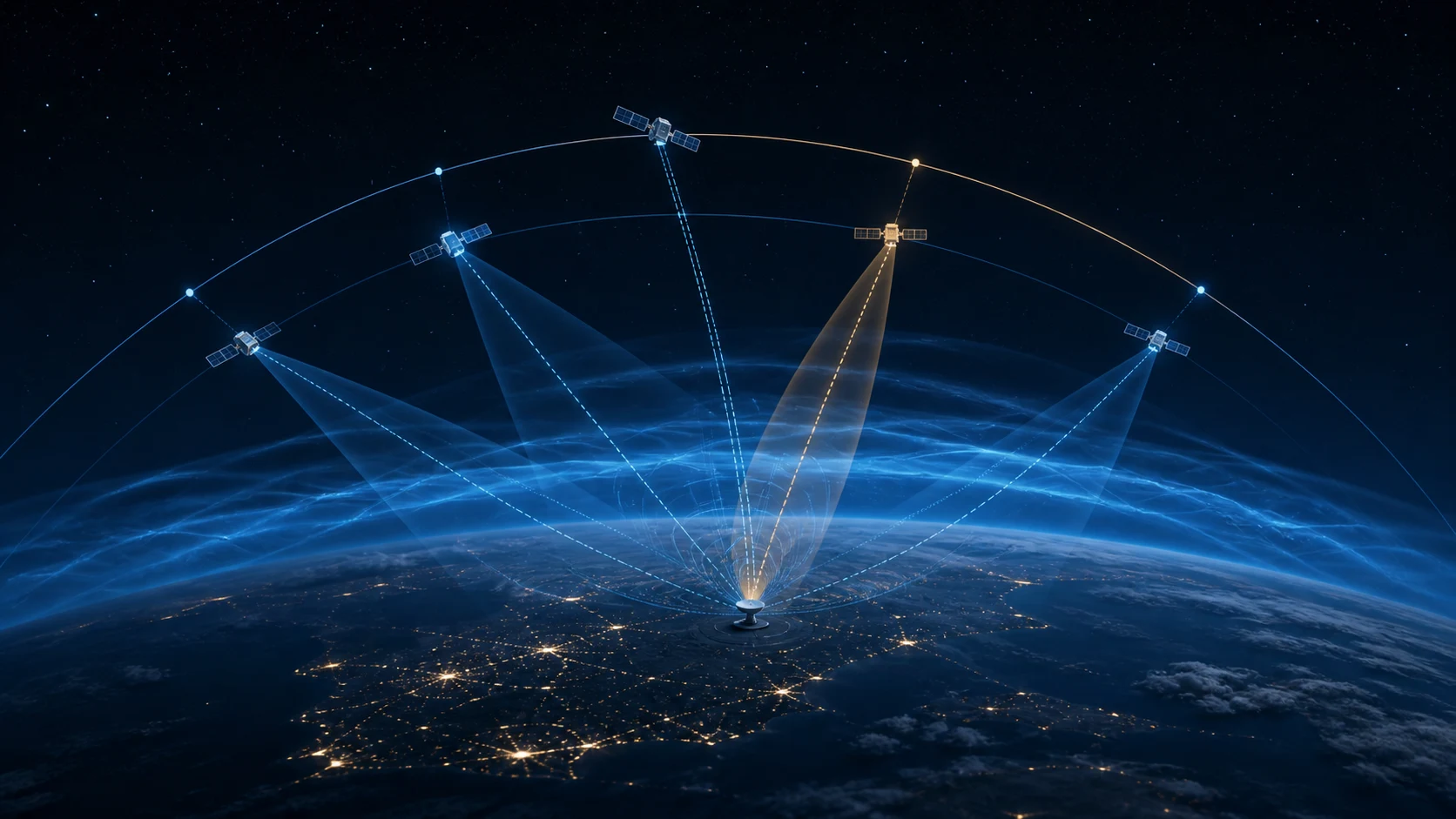
Candidate elevations and radio-path conditions add the geometry above the location.
How the outlook worksBuilt for real decisions
TNET is for people who need to know what a Starlink connection is likely to feel like before the important moment arrives—not only what it measures right now. It turns a complex, changing environment into guidance you can use to plan work, travel, communication and everyday life.
Plan around your connectionChoose a stronger window for video calls, large transfers, cloud work and deadlines when reliability matters more than a headline speed.
Plan streaming, gaming, uploads and shared household use with a clearer idea of when the connection may be at its best.
Check a destination before arrival and understand whether the expected conditions suit the way you intend to stay connected.
Add practical connection context to equipment, location and scheduling decisions before time and money are committed.
Starlink performance toolkit
Forecast the connection, measure it now, understand the evidence, and keep your own test history.

Test & diagnose
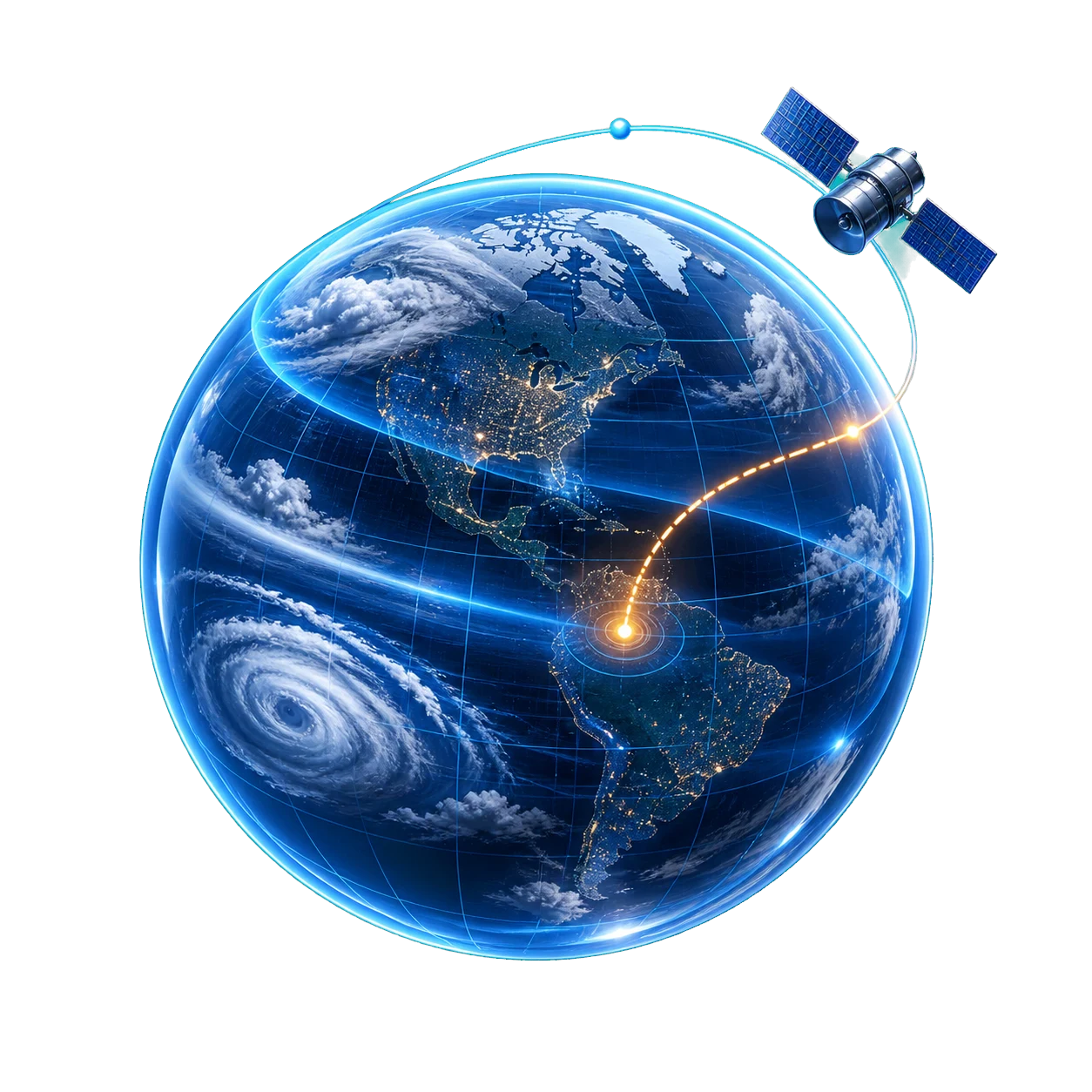
Forecast
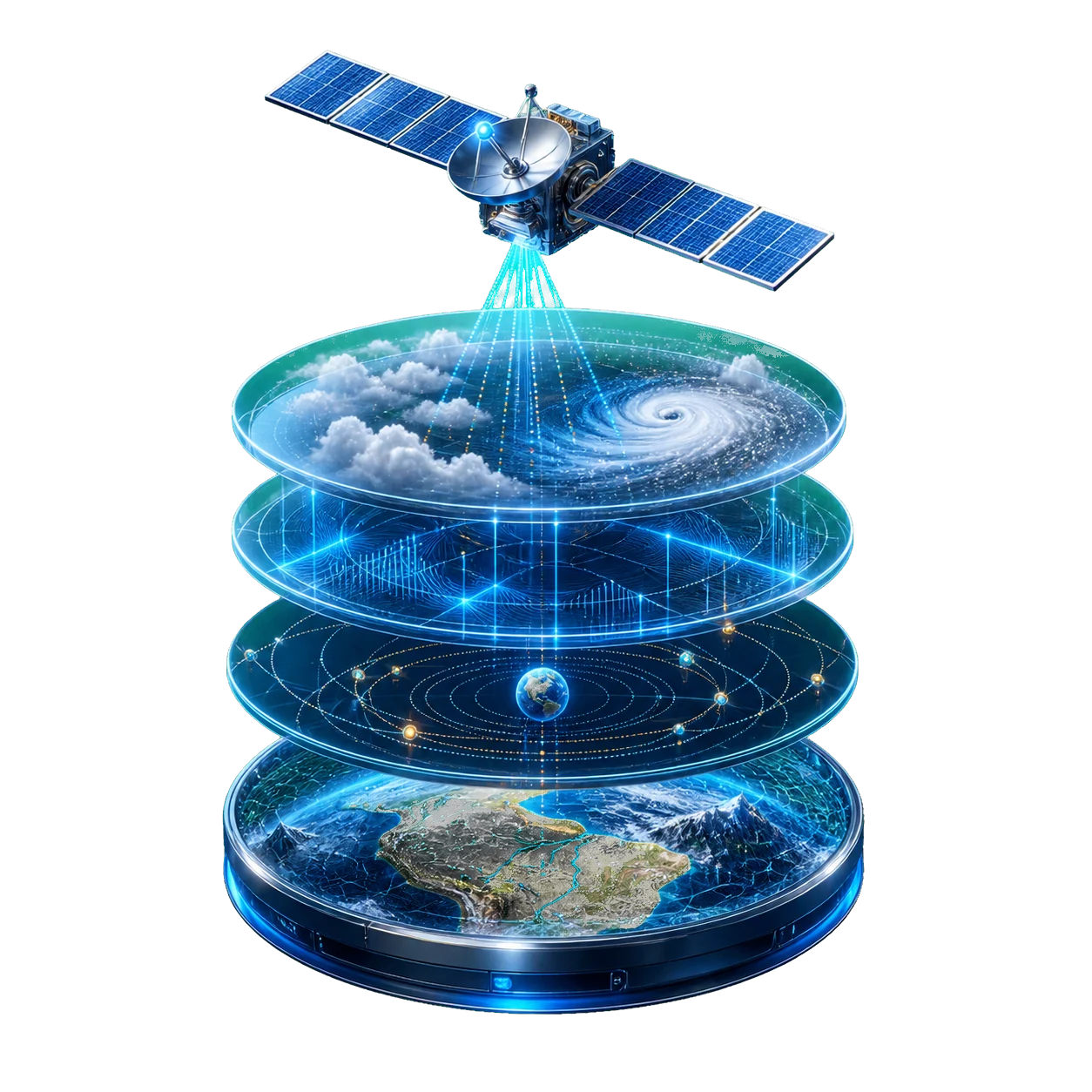
Understand

Track
Starlink connection forecast FAQ
A Starlink connection forecast is a planning outlook for a chosen place and time. TNET combines normal regional connection behavior with changing atmospheric and sky-side conditions to show the expected performance range, confidence and strongest available window.
A weather forecast describes the atmosphere. TNET asks a different question: what could the complete situation mean for a Starlink connection? Weather is considered alongside regional performance patterns, local timing and other relevant context.
No service can responsibly guarantee an exact future speed because real connections vary with network demand, equipment, local Wi-Fi and changing conditions. TNET provides an expected range and evidence confidence instead of presenting false precision.
The Connection Score summarizes how suitable the selected interval appears for normal Starlink use. It is paired with a label, expected performance range and confidence so the score is never treated as a standalone promise.
Local network demand, atmospheric conditions and the satellite environment all change over time. TNET compares supported intervals so you can see when the overall outlook appears stronger or more uncertain.
Yes. Select a location, date and intended use such as general browsing, work, streaming or gaming. TNET uses that context to make the result more practical for the decision you are trying to make.
TNET is useful for remote professionals, families, creators, travelers, rural households, field teams and anyone evaluating Starlink where an important call, upload, trip or purchase depends on reliable connectivity.
No. TNET Weather is an independent research and planning service. It does not represent the network operator and does not claim access to private operational systems.